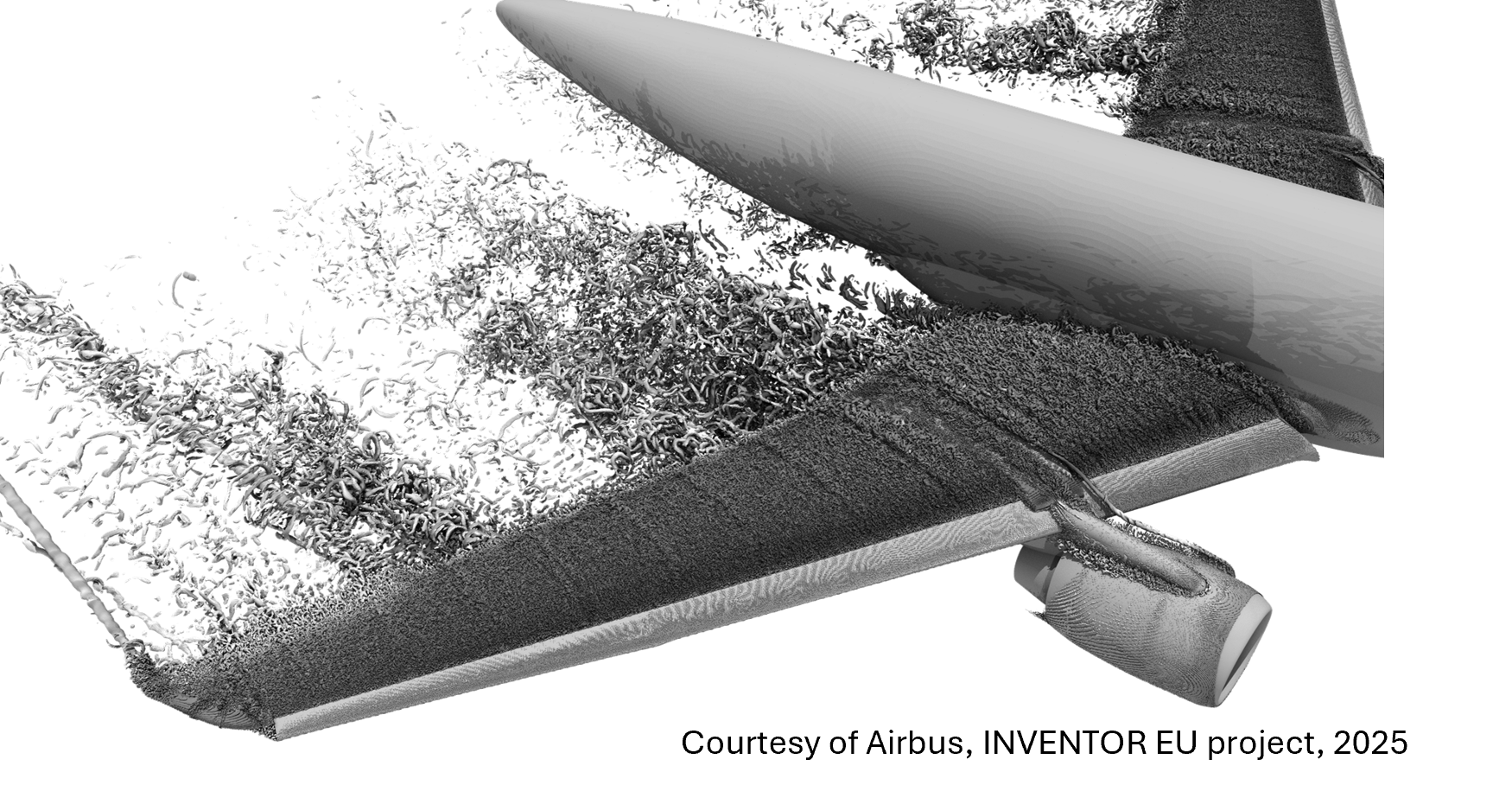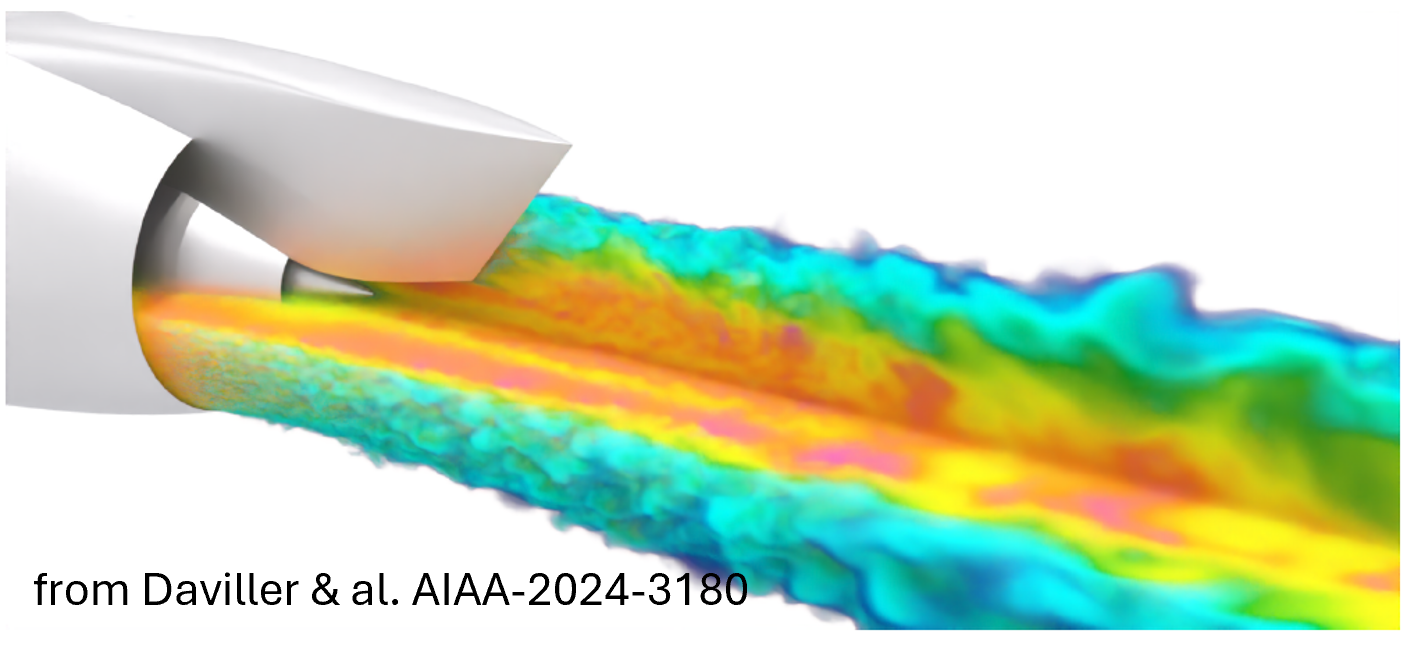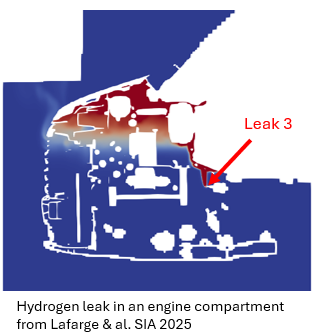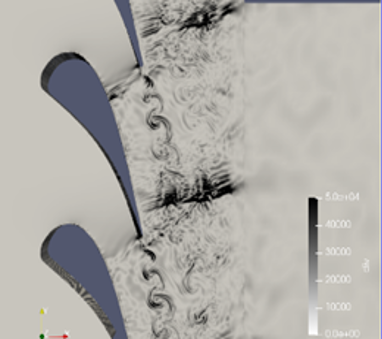

Version 3.5 follows the steady release rhythm of ProLB, with one major version delivered every six months. After the release of versions 3.3 and 3.4, this new version represents a further step in the consolidation, extension and maturation of ProLB’s advanced physical models and numerical capabilities.
Version 3.5 builds on the foundations established in previous releases and introduces significant evolutions in boundary condition modeling, rotating domain handling, turbulence modeling and high‑Mach physics, while continuing to improve robustness, numerical consistency and user experience across the entire workflow.
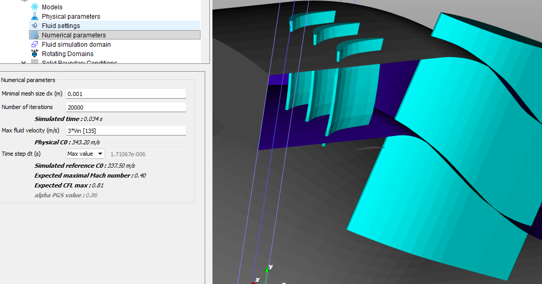
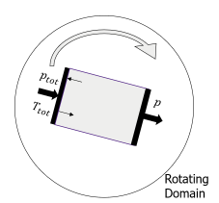
Low‑Mach and High‑Mach boundary conditions have been significantly extended and clarified, including new total pressure formulations and a consistent treatment of inlet, outlet and absorbing regions in rotating reference frames. These developments improve the physical fidelity of simulations involving natural convection, turbomachinery and rotating systems, while simplifying case setup for users.
On the physics side, version 3.5 introduces new and advanced modeling capabilities. Hybrid RANS‑LES approaches such as CLES (beta feature) and ZDES (beta feature) are now available, targeting improved prediction of separation, wall behavior and unsteady flow structures. High‑Mach simulations benefit from a new total energy scheme (beta feature), offering improved shock resolution compared to the current entropy-based scheme, while ongoing validation continues to extend the range of applicable configurations.
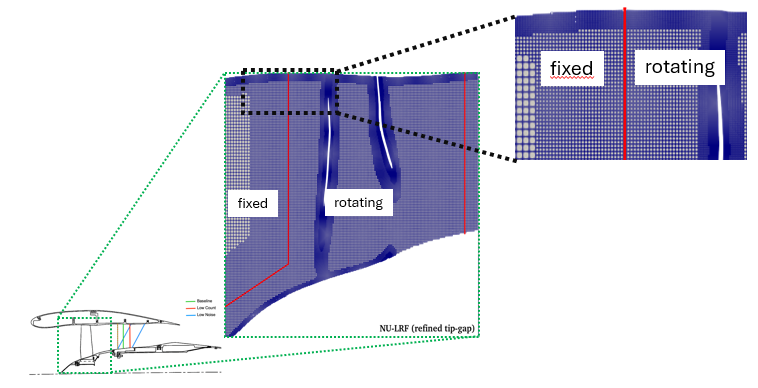
Significant progress has also been made in the treatment of mesh interfaces and rotating domains. Mesh refinement is now possible across fixed/rotating interfaces without imposing uniform overlap regions, enabling more flexible and realistic discretizations in complex geometries.
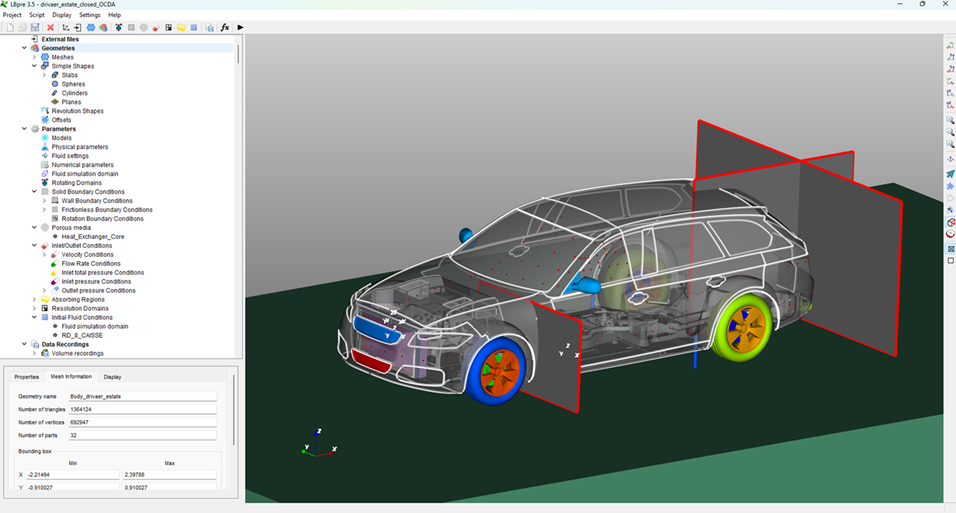
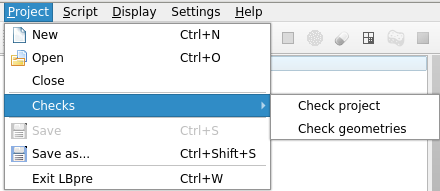
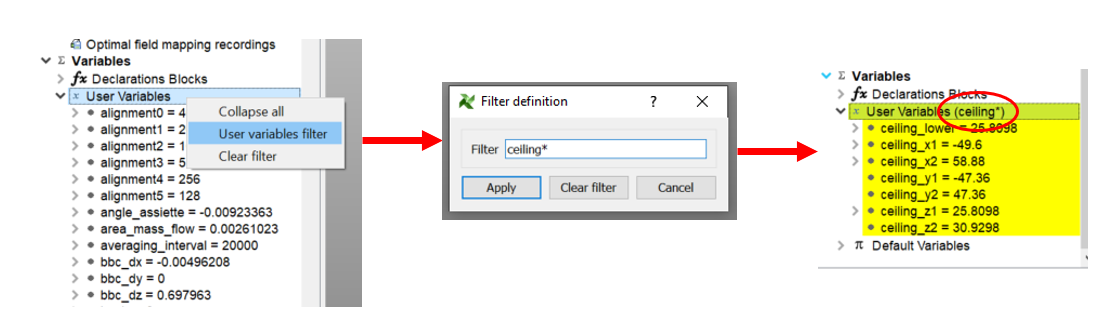
From a user‑experience perspective, both LBPre and LBsolver continue to evolve. Geometry checking, scripting capabilities, enhanced monitoring, improved robustness in case of numerical issues and performance optimizations contribute to a smoother and more reliable workflow, from pre‑processing to large‑scale HPC runs.
Overall, ProLB v3.5 represents an important milestone in the continuous evolution of the software, combining richer physics, increased numerical robustness and improved usability, while paving the way for future developments and extended validation of advanced models.
A more detailed description of these features is provided below.